Official Information from Peyton Fire Protection District
Peyton Fire Protection District is preparing a ballot question for District voters regarding a proposed increase to the District's property tax mill levy. This page provides factual information about the proposal, Peyton Fire Protection District's current operations and funding, how a mill levy works, the estimated impact on property owners, and the purposes for which additional revenue is being considered. This page is provided for informational purposes. Peyton Fire Protection District does not use this page to advocate for or against the ballot question. Voters are encouraged to review the information and make their own informed decision.
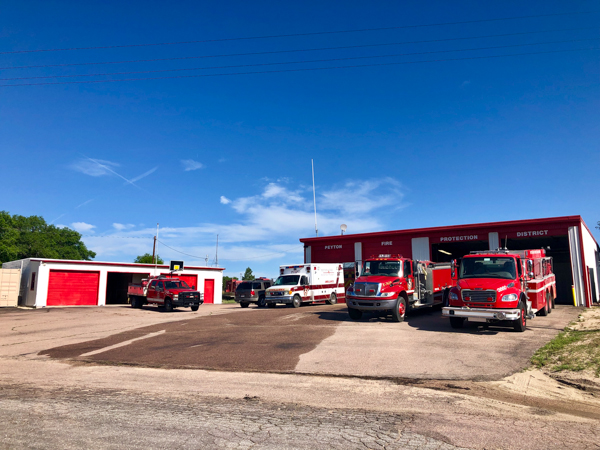
QUICK FACTS
Current PFPD Mill Levy
6.077 Mills
Peyton Fire Protection District's published 2025 mill levy, billed in 2026.
Proposed Increase
4.85 Mills
The increase evaluated as part of the District's 2026 community survey.
Estimated Annual Revenue
$327,903
Estimated first-year additional revenue identified in the proposed ballot language evaluated during the survey.
District Service Area
Approximately 110 Square Miles
2025 Calls for Service
550 Calls
Election
November 2026
NOTE BELOW CARDS:
The proposed mill levy and estimated revenue figures shown above are based upon the ballot question evaluated during the District's 2026 community survey. Final ballot language adopted by the Peyton Fire Protection District Board of Directors will control.
UNDERSTANDING A MILL LEVY
What Is a Mill Levy?
A mill levy is a property tax rate used by local governments and special districts, including fire protection districts, to generate revenue for public services.
One mill equals $1 in property tax for every $1,000 of taxable assessed property value.
A property's market value is not necessarily the same as its taxable assessed value. Colorado law determines how different types of property are assessed. The applicable mill levy is then applied to the property's taxable assessed value.
Basic Calculation
Taxable Assessed Value × Mill Levy ÷ 1,000 = Property Tax
For example, a property with a taxable assessed value of $50,000 generates $50 per year for each 1.0 mill applied to that property.
Actual property taxes depend upon the property's classification, assessed valuation, applicable assessment rates, exemptions, and other requirements of Colorado law.
ESTIMATE YOUR PROPERTY TAX IMPACT
What Could 4.85 Additional Mills Mean for My Property?
The community survey estimated that an additional 4.85 mills would equal approximately $32.98 per year for every $100,000 of residential market value , based upon the property tax assumptions used for the survey.
ESTIMATED EXAMPLES
| Approximate Residential Market Value | Estimated Annual Increase | Monthly Equivalent |
|---|---|---|
| $300,000 | $98.94 | $8.25 |
| $400,000 | $131.92 | $10.99 |
| $500,000 | $164.90 | $13.74 |
| $600,000 | $197.88 | $16.49 |
| $750,000 | $247.35 | $20.61 |
Peyton Fire Protection District
Mill Levy Calculator
Find your Taxable Assessed Value on the El Paso County Assessor's website .
Enter the property's taxable assessed value to estimate the annual amount generated by the Peyton Fire Protection District's 4.85 mill levy.
Effective rate: 0.485%
Estimate only. A mill is $1 for every $1,000 of taxable assessed value. This calculator does not determine property value or taxable assessed value.
IMPORTANT CALCULATOR DISCLAIMER
These calculations are estimates provided for informational purposes only. Actual property taxes are based upon taxable assessed valuation and applicable Colorado property tax laws. Assessment rates, classifications, exemptions, property values, and other factors may affect the actual amount owed.
WHAT IS BEING PROPOSED?
Proposed 4.85-Mill Increase
The ballot question evaluated during Peyton Fire Protection District's 2026 community survey proposed increasing the District's property tax mill levy by 4.85 mills beginning in 2027. The proposed increase was estimated to generate approximately $327,903 annually . The ballot language evaluated during the survey identified three principal areas for use of the additional revenue:
Personnel
Hiring full-time firefighters, Emergency Medical Technicians, and paramedic personnel to provide emergency-response coverage.
Emergency Vehicles & Equipment
Providing, maintaining, and replacing emergency vehicles and equipment used for fire, emergency medical, rescue, and other District operations.
Facilities
Modernizing District facilities to support emergency operations and protect both the public and first responders.
IMPORTANT NOTICE
The information above describes the proposal evaluated during the District's 2026 community survey. It is not the final ballot language unless and until formally adopted by the Peyton Fire Protection District Board of Directors.
PEYTON FIRE PROTECTION DISTRICT TODAY
Providing Emergency Services Across Approximately 110 Square Miles
Peyton Fire Protection District provides emergency services throughout approximately 110 square miles of rural, residential, agricultural, and developing areas of El Paso County.
District personnel respond to a variety of incidents, including:
Structural Fire Response
Residential, commercial, agricultural, and other structure fires.
Emergency Medical Services
Medical emergencies and other requests for emergency medical assistance.
Wildland & Grass Fires
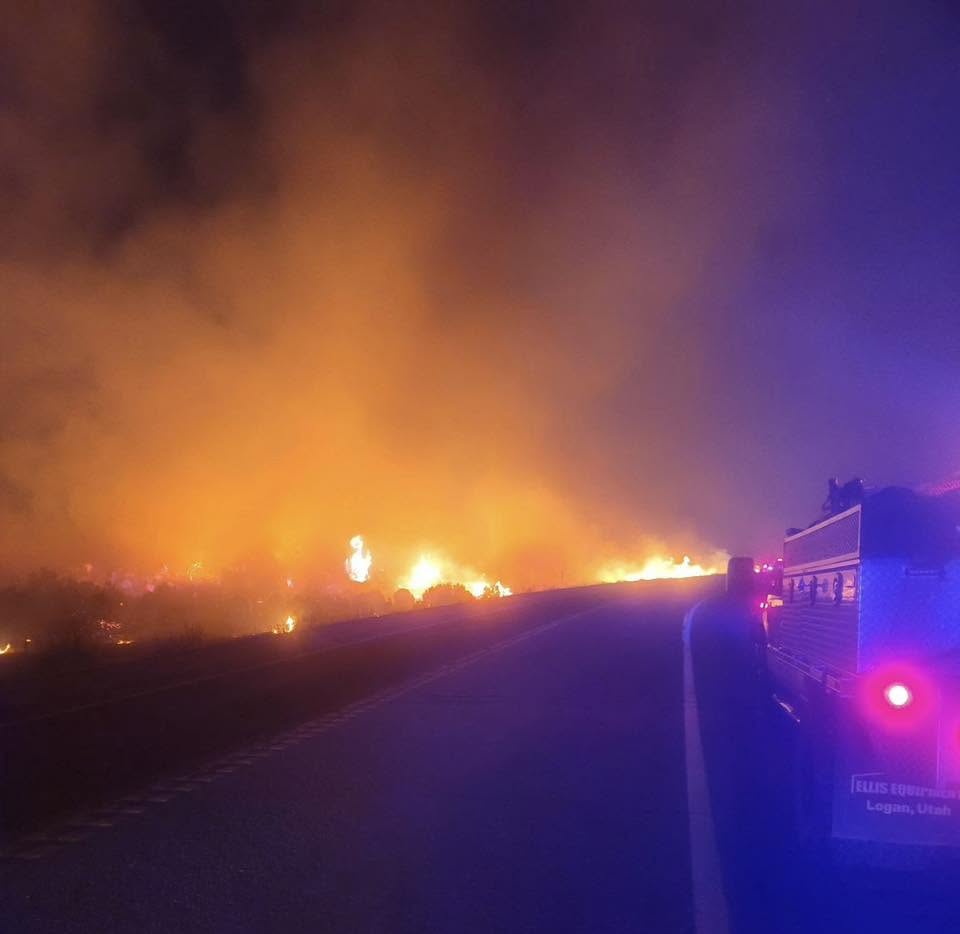
Wildland, brush, and grass fires throughout Peyton's rural environment.
Motor Vehicle & Rescue Incidents
Traffic collisions, extrication, rescue situations, and other emergencies.
Hazardous Conditions
Fuel spills, utility emergencies, hazardous conditions, and related incidents.
Fire Prevention & Community Risk Reduction
Fire prevention, inspections, plan review, public education, community outreach, and other risk-reduction activities.
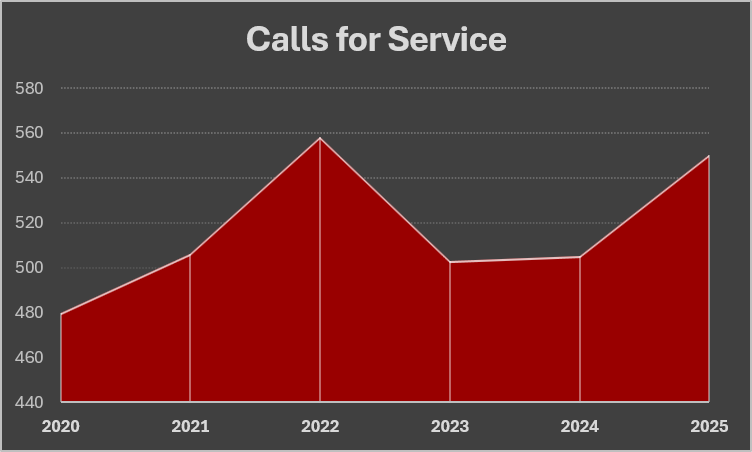
EMERGENCY CALL VOLUME
Emergency Service Demand
Peyton Fire Protection District responded to:
2020 - 482 Calls
2025 - 550 Calls
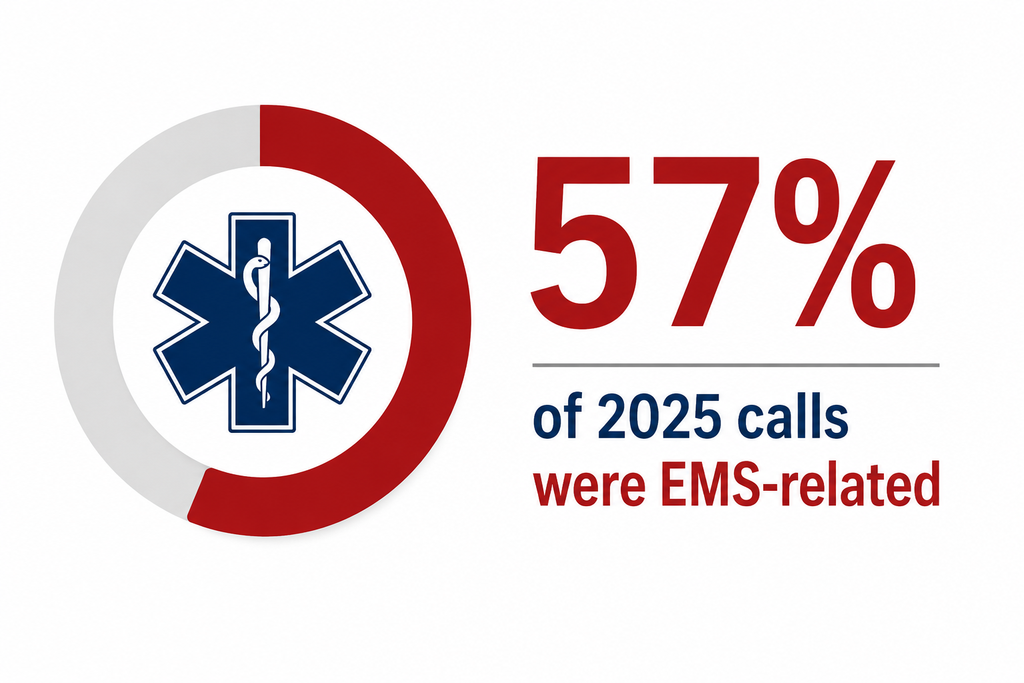
This represents an increase of approximately 14.1% between 2020 and 2025. Of the District's 550 calls for service in 2025, approximately 57% were emergency medical incidents , according to information presented during the community survey.
STAFFING & EMERGENCY COVERAGE
Peyton's Staffing Model
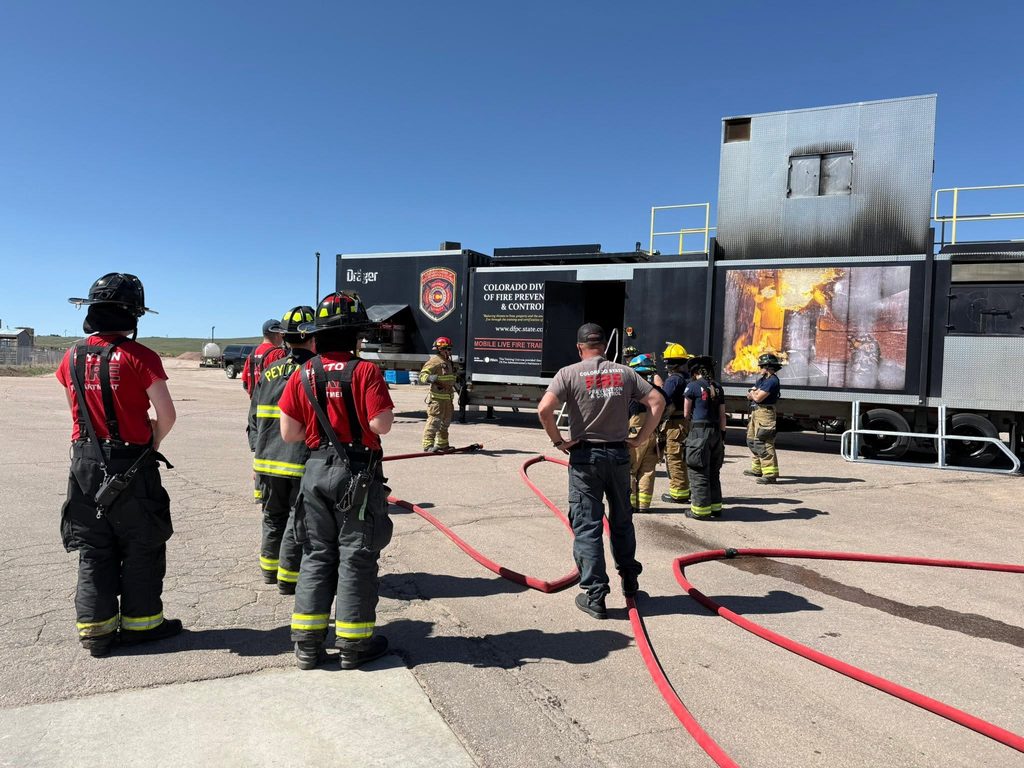
Peyton Fire Protection District has historically relied primarily upon volunteer firefighters to provide emergency services to the community. The District is currently beginning to supplement its volunteer staffing with part-time paid personnel . The proposed mill levy evaluated during the community survey contemplated establishing funding for four full-time firefighter/EMT positions , while volunteers would continue to play an important role in the District.
Why Staffing Is Part of the Discussion
Maintaining emergency-response capability involves more than employee wages. Personnel expenses can include:
Training and continuing education
Required certifications
Personal protective equipment
Workers' compensation
Payroll-related expenses
Medical and operational equipment
Station and operational expenses
The final staffing model would remain subject to the approved ballot language, available revenues, employment costs, annual District budget, and decisions of the Board of Directors.
EMERGENCY MEDICAL SERVICES
Fire & EMS Response
Emergency medical incidents represent a significant portion of Peyton Fire Protection District's calls for service. Approximately 57% of the District's 550 calls during 2025 were emergency medical incidents . Information presented during the community survey also identified two District ambulances available for emergency-response capability. The proposed staffing concept evaluated during the survey contemplated personnel possessing emergency medical qualifications in addition to their firefighting responsibilities.
RURAL WATER SUPPLY
Fire Protection Without Municipal Hydrants
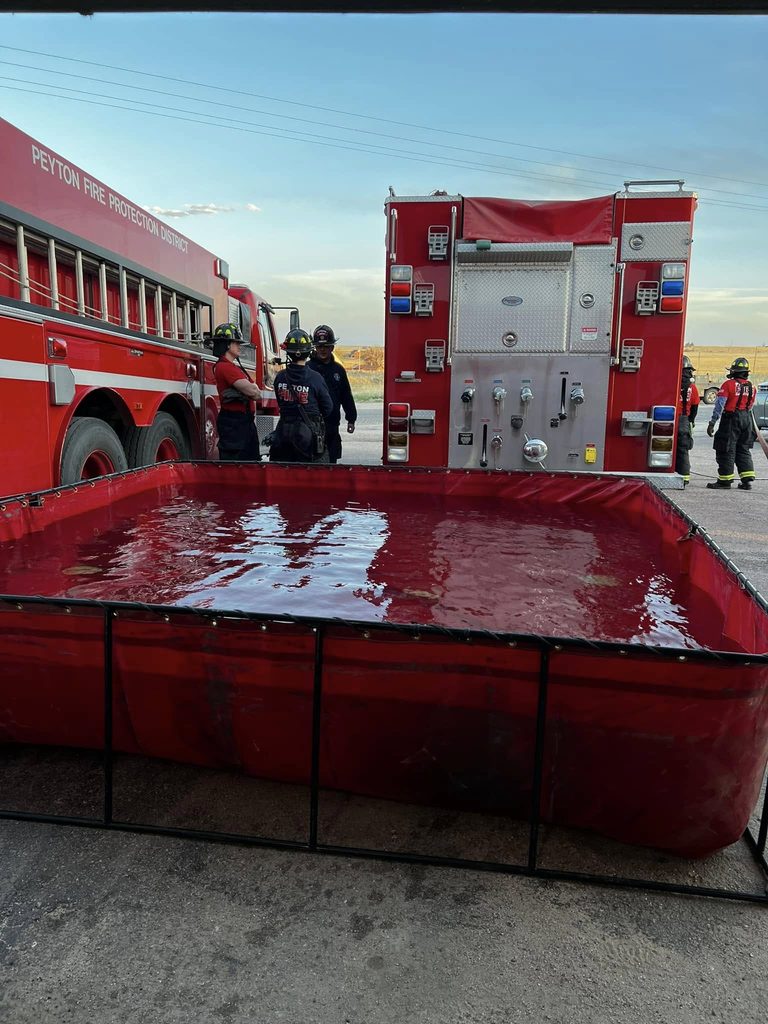
Much of Peyton Fire Protection District is located outside municipal fire-hydrant systems.
When a structure fire occurs in a non-hydranted area, firefighters may need to establish an alternative water supply using:
Water tenders
Portable water tanks
Water-shuttle operations
Designated fill locations
Mutual-aid resources
Providing reliable rural fire protection therefore requires appropriate apparatus, equipment, trained personnel, and coordinated water-supply operations.
WILDLAND & GRASS FIRE RESPONSE
Protecting a Rural Community
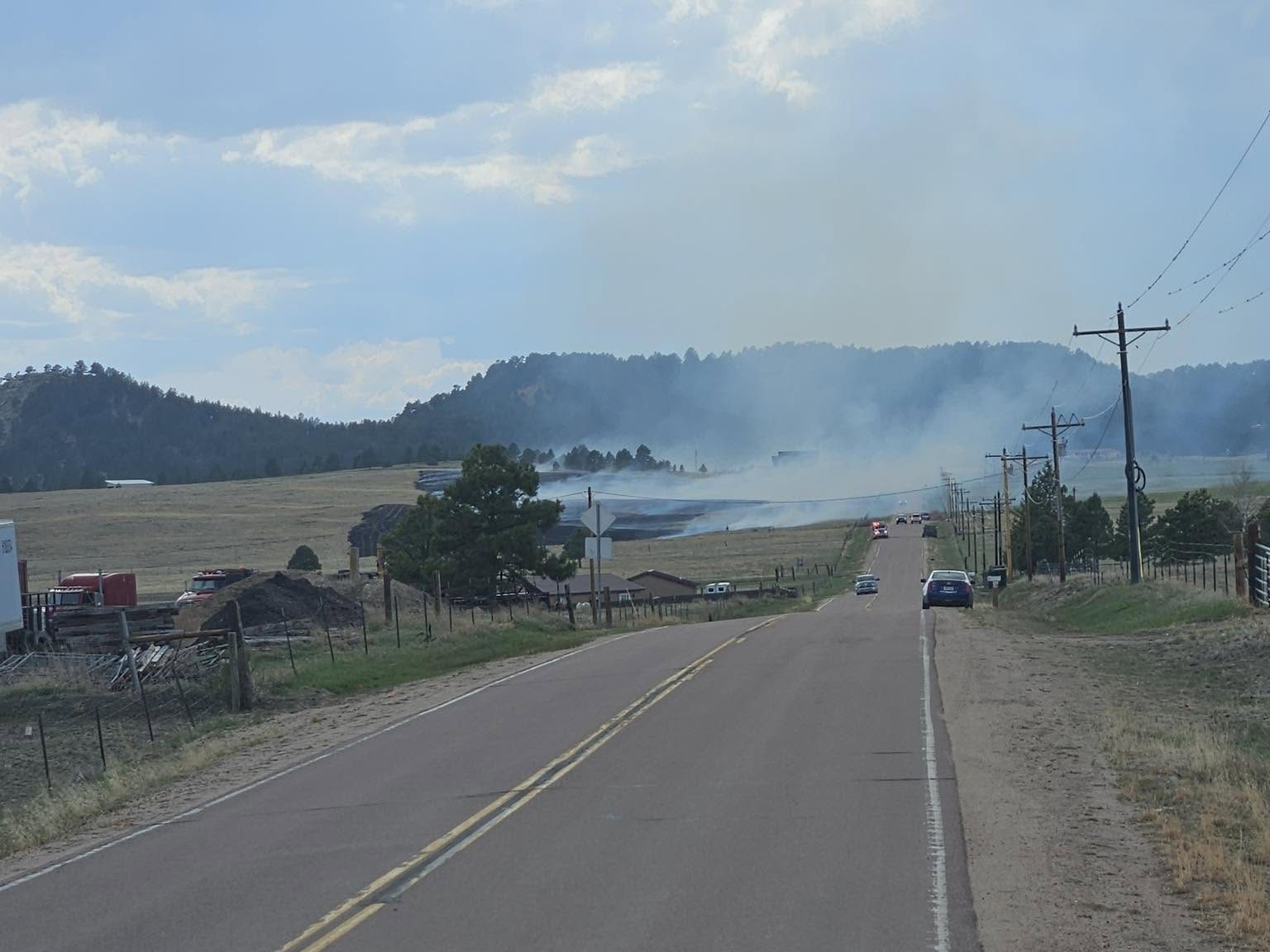
Peyton Fire Protection District contains extensive rural, agricultural, grassland, and residential areas. Grass and wildland fires can require significant personnel, apparatus, water, and mutual-aid resources. Wind, dry vegetation, limited water supplies, access conditions, and homes located near wildland fuels can increase the complexity of these incidents. Peyton FPD maintains wildland firefighting apparatus and trains personnel to respond to these incidents as part of the District's emergency responsibilities.
APPARATUS & EQUIPMENT
The Cost of Maintaining Emergency-Response Equipment
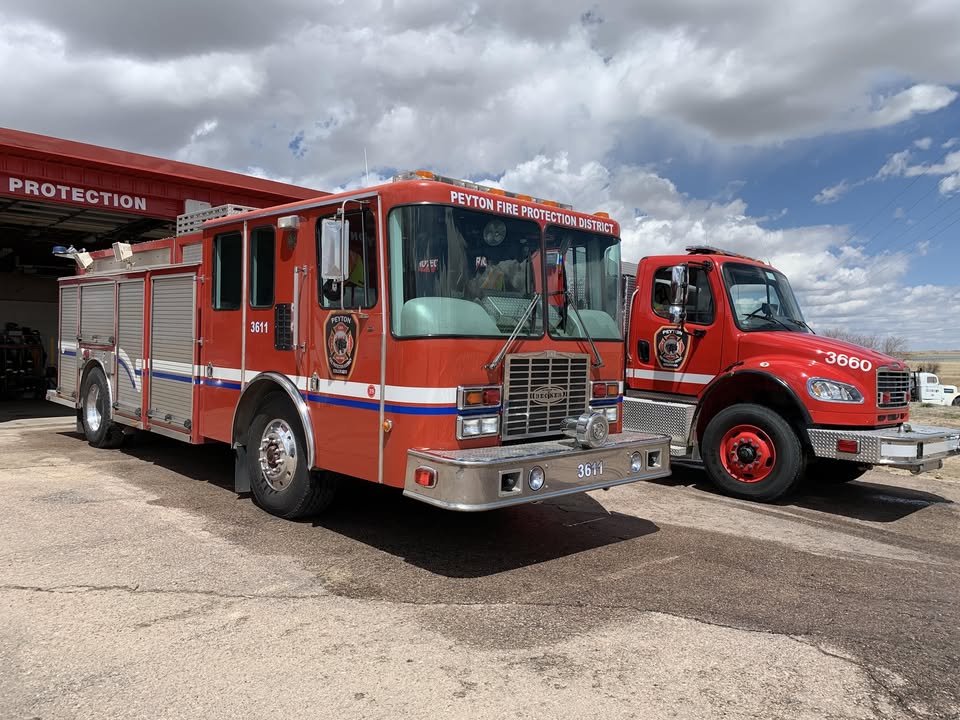
Fire engines, brush apparatus, water tenders, ambulances, breathing apparatus, radios, protective clothing, hose, medical equipment, and other emergency equipment require routine maintenance, testing, repair, and eventual replacement.
Information presented during the 2026 community survey provided the following example of increasing apparatus costs:
Approximate Fire Engine Cost — 2020: $750,000
Approximate Comparable Cost — 2026: $1.37 Million
The survey materials also used an approximately 15-year replacement cycle as a planning benchmark for fire engines. Major apparatus purchases represent significant long-term capital expenses for a small fire protection district and require financial planning.
MUTUAL AID & REGIONAL RESPONSE
Fire Departments Don't Operate Alone
Peyton Fire Protection District works with neighboring emergency-service agencies through mutual-aid and regional response arrangements. Large fires, multiple simultaneous emergencies, wildland incidents, technical rescues, and other significant events may require resources from multiple agencies. Likewise, Peyton personnel and apparatus may assist neighboring jurisdictions when requested. Mutual aid is a normal and important component of regional emergency response. Local staffing and equipment levels affect the resources Peyton may initially have available for incidents within the District.
HOW DOES PEYTON COMPARE?
Regional Fire District Mill Levies
The community survey presented mill levy information for Peyton and several neighboring or regional fire protection districts:
| Fire Protection District | Mill Levy |
|---|---|
| Cimarron Hills FPD | 16.621 |
| Elizabeth FPD | 15.500 |
| Falcon FPD | 14.886 |
| Ellicott FPD | 13.690 |
| Calhan FPD | 11.854 |
| Elbert FPD | 9.230 |
| Peyton FPD | 6.077 |
IMPORTANT CONTEXT
Mill levies alone do not provide a direct comparison of the financial condition, staffing level, efficiency, or services provided by different fire protection districts. Each district may have different taxable assessed valuations, populations, service areas, staffing models, call volumes, facilities, debt obligations, other revenue sources, and operational responsibilities. The information above is provided for regional context only.
ISO / PUBLIC PROTECTION CLASSIFICATION
What Is an ISO Rating?
ISO's Public Protection Classification (PPC) evaluates structural fire-protection capabilities within a community.
The evaluation considers areas that include:
Fire Department Capabilities
Emergency Communications
Water Supply
Community Risk Reduction
Classifications generally range from Class 1 through Class 10 , with Class 1 representing superior property fire protection under the ISO classification system. Staffing, training, apparatus, equipment, deployment, water-supply capability, and fire-prevention activities can affect areas considered during an ISO evaluation. Many property insurers use ISO/PPC information as one factor when establishing property insurance rates.
Could Additional Resources Affect Peyton's ISO Rating?
Additional resources supporting staffing availability, training, apparatus, equipment, water-supply capabilities, or community risk-reduction programs may affect factors considered during a future ISO evaluation. However:
Approval of the proposed mill levy does not guarantee that Peyton FPD's ISO classification will improve.
An improved ISO classification also does not guarantee that an individual property owner's insurance premium will decrease.
Individual insurance companies determine how ISO classifications affect their underwriting and premiums.
DISTRICT FUNDING & FINANCIAL TRANSPARENCY
How Peyton Fire Protection District Is Funded
Peyton Fire Protection District is an independent Colorado special district with its own elected Board of Directors, budget, taxing authority, and financial responsibilities. Property taxes are a primary source of funding for District operations. District revenues support expenses associated with personnel, emergency apparatus, equipment, facilities, training, insurance, utilities, administration, emergency operations, fire prevention, and other District responsibilities.
Estimated Revenue from Proposed 4.85 Mills
Approximately $327,903 in the first year
ACCOUNTABILITY
How Would Additional Revenue Be Accounted For?
Financial accountability and transparency were among the concerns identified by respondents to the District's community survey. If voters approve the ballot question, revenues and expenditures would continue to be accounted for through Peyton Fire Protection District's public budgeting and financial reporting processes. The Board of Directors adopts the District's annual budget through a public process, and District financial records, budgets, audits, and other required public records remain subject to applicable Colorado law.
2026 COMMUNITY SURVEY
Listening to District Voters
Before determining whether to refer a ballot question to voters, Peyton Fire Protection District commissioned an independent community survey conducted by Magellan Strategies .
Survey Period
July 23 – August 4, 2026
Respondents
167 District voters
Reported Margin of Error
±7.39%
Confidence Level
95%
The survey asked respondents about District services, emergency-response needs, staffing, fire and EMS demands, District finances, the proposed property-tax increase, and reasons residents might support or oppose the proposal.
COMMUNITY CONSIDERATIONS
What Survey Respondents Told the District
The community survey asked respondents to explain why they would support or oppose the proposed property-tax increase.
The responses identified several recurring considerations.
CONSIDERATIONS EXPRESSED IN SUPPORT
Some respondents supporting additional District funding referenced:
Community growth and increasing emergency-service demands.
Interest in increasing paid staffing and emergency-response availability.
Daytime availability of firefighters and emergency medical personnel.
Wildland and structural fire risk.
Rural emergency-response distances.
Fire and emergency medical response capability.
Long-term equipment and apparatus needs.
CONSIDERATIONS EXPRESSED IN OPPOSITION
Some respondents opposing additional District funding referenced:
Existing property-tax burdens.
Overall cost-of-living concerns.
Financial impacts of additional taxes on household budgets.
Preference for alternatives to a property-tax increase.
Requests for greater financial detail and transparency.
Questions regarding exactly how additional revenue would be spent.
Requests for timelines and accountability regarding proposed improvements.
Questions regarding other potential District revenue, including EMS/ambulance billing.
NEUTRALITY STATEMENT
These considerations are presented to reflect differing perspectives identified through the District's community survey. Peyton Fire Protection District does not present either group of considerations as a conclusion regarding how an elector should vote.
FAQS
Frequently asked questions, Mill Levy
What is Peyton FPD's current mill levy?
Peyton Fire Protection District's published mill levy for tax year 2025, billed in 2026, is 6.077 mills .
How much of an increase is being considered?
The ballot proposal evaluated during the community survey would increase the District's levy by 4.85 mills. However, the final ballot language will be adopted by the Board of Directors.
How much revenue would the proposed mills generate?
The proposed ballot language evaluated during the community survey estimated approximately $327,903 in additional annual revenue beginning in 2027. Actual collections may vary based upon taxable assessed valuation and the terms of the final ballot question.
How much would this cost my household?
The community survey estimated approximately $32.98 per year, $2.75 a month, for every $100,000 of residential market value, based upon the property-tax assumptions used for the survey. Actual property taxes depend upon taxable assessed value, property classification, assessment rates, exemptions, and applicable Colorado law. Use the available calculator above for an estimate.
Why compare Peyton's mill levy with other fire districts?
Neighboring and regional mill levies provide context, but they should not be interpreted as direct comparisons of service quality, financial condition, or effciency.
What happens if voters approve the measure?
If approved, Peyton Fire Protection District would be authorized to collect the additional property-tax revenue provided by the final ballot question and use those revenues in accordance with the ballot language and applicable law.
What happens if voters do not approve the measure?
If the ballot question is not approved, Peyton Fire Protection District would continue operating under its existing revenue authority and available resources. Future staffing, equipment purchases, capital replacement, facilities, and other expenditures would continue to be determined through the District's public budgeting process based upon the current available revenues.
Who decides whether the mill levy passes?
The all voters within the Peyton Fire Protection District response area. All registered voters will see the ballot question show up on your ballot.
How can I contact you about mill levies?
Please email us at info@peytonfd.org for any more information about mill levies.
How many full-time firefighters are being considered?
The staffing proposal evaluated during the 2026 community survey contemplated approximately four full-time firefighter/EMT positions . Final staffing would depend upon the approved ballot language, available revenue, employment costs, annual budget, and Board decisions.
Would Peyton's volunteers go away?
The Peyton volunteers will continue to play an important role while paid personnel supplemented District staffing.
Does Peyton provide ambulance service?
Peyton Fire Protection District provides emergency medical response and maintains ambulance capability, depending on available staffing. However, if staffing is unavailable a contractual agreement with a private ambulance transport company will insure our citizens will have medical transport capability.
Why does Peyton need water tenders?
Much of the District does not have municipal fire hydrants. For fires in non-hydranted areas, water may need to be transported to the incident using water tenders and rural water-supply operations.
Will this improve emergency response times?
Additional resources may support personnel availability, training, equipment, apparatus, and other components of emergency-response capability. Response times, however, depend upon numerous factors including incident location, personnel availability, weather, road conditions, simultaneous emergencies, incident type, and mutual-aid availability. The District cannot guarantee a particular response-time improvement as a result of the ballot measure.
Will this improve Peyton's ISO rating?
Additional resources may affect factors considered during an ISO evaluation, including staffing, training, apparatus, equipment, water supply, and community risk reduction. Approval of the ballot question does not guarantee a change in Peyton FPD's ISO classification.
Will my homeowners insurance go down?
There is no guarantee. Insurance companies may use ISO/Public Protection Classification information when determining property insurance premiums, but each insurance company establishes its own underwriting and rating practices. Residents should contact their insurance provider regarding their individual policy.
Is Peyton FPD part of El Paso County government?
No. Peyton Fire Protection District is an independent Colorado special district with its own elected Board of Directors, taxing authority, budget, and financial responsibilities.
HAVE A QUESTION?
We're Here to Provide Accurate Information
Peyton Fire Protection District wants residents to have access to accurate information regarding the District and the proposed 2026 ballot question. If you have a question that is not answered on this page, please contact the District.
Peyton Fire Protection District
13665 Railroad Street
Peyton, Colorado 80831
Phone: 719-749-2255
Email: info@peytonfd.org
Questions regarding an individual property's valuation or assessment should be directed to the El Paso County Assessor .
Questions regarding an individual property-tax bill should be directed to the El Paso County Treasurer .
PUBLIC INFORMATION & NEUTRALITY NOTICE
This webpage is an official informational resource of Peyton Fire Protection District and is intended to provide factual information concerning the District and the proposed 2026 mill levy ballot question. Peyton Fire Protection District does not use this webpage to urge electors to vote for or against the ballot question. Information regarding the ballot measure is provided consistent with applicable Colorado law, including C.R.S. § 1-45-117 . Until the Peyton Fire Protection District Board of Directors formally adopts a ballot question, references on this page to proposed ballot language, revenue, staffing, or uses of revenue describe the proposal evaluated during the District's 2026 community survey and are subject to change. Once adopted, the official Board resolution and certified ballot language shall control in the event of any conflict between those documents and explanatory information presented on this webpage.
Last Updated: 08/21/2026